
By Frasat Ali – SEO Expert
How I Ranked a Local Service Website Across Google Maps, AI Search, and Organic Results
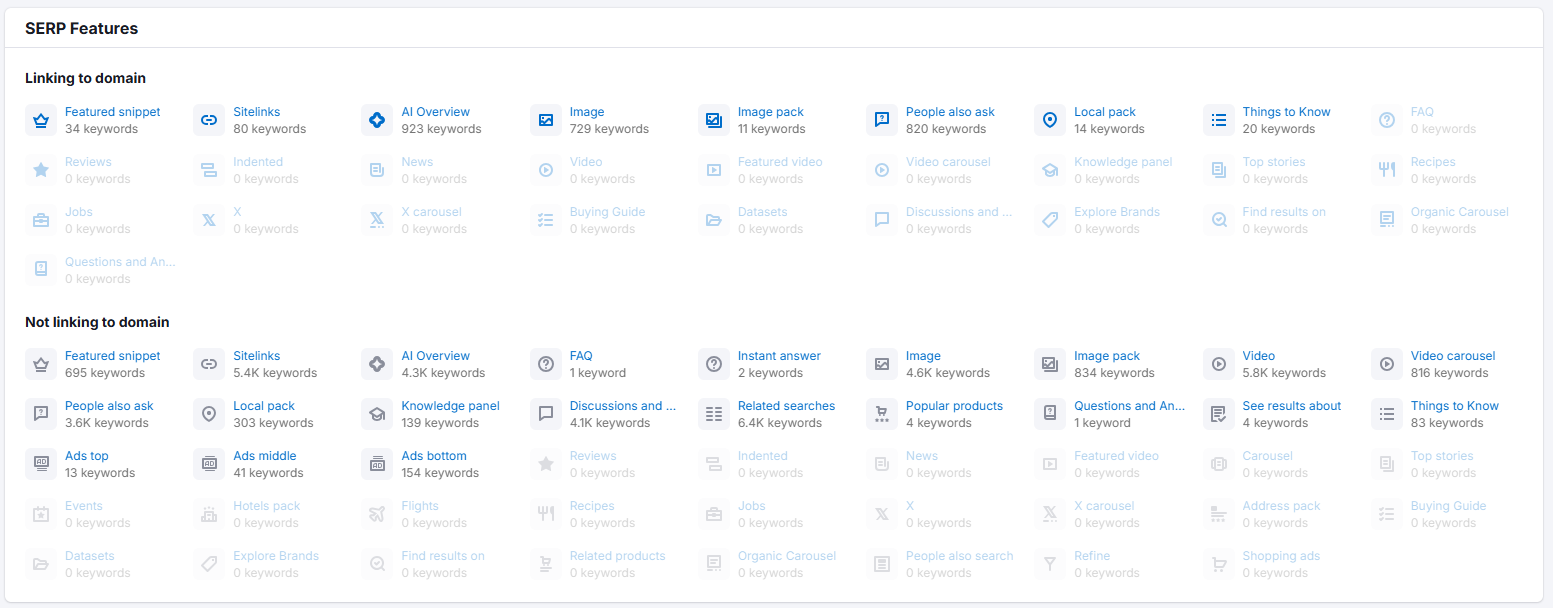
I ranked a local service website across Google Maps, AI-powered search results, and traditional organic listings by using a structured SEO system built around clarity, intent, and trust.
This was not a one-time spike.
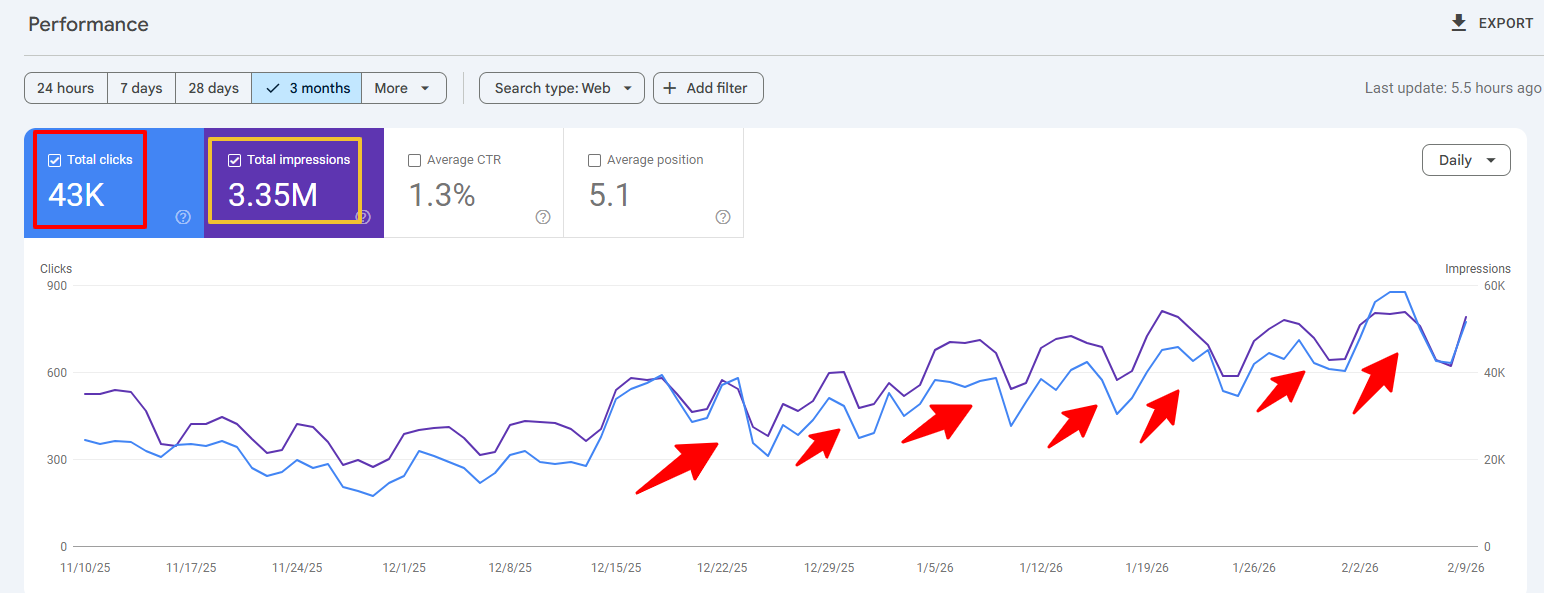
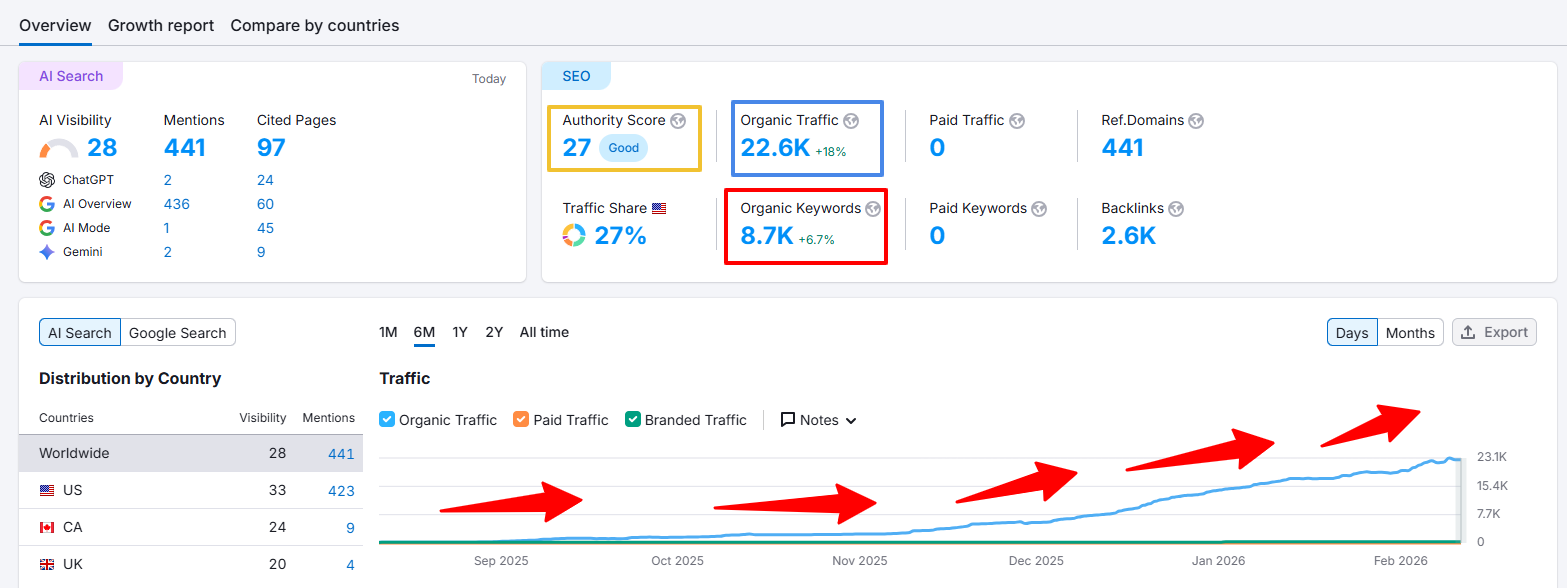
The growth was gradual, stable, and then accelerated strongly in the last two months.
Google Search Console Performance
Last 3 Months
-
43K+ organic clicks
-
3.35 million impressions
Last 6 Months
-
53.4K+ organic clicks
-
4.27+ million impressions
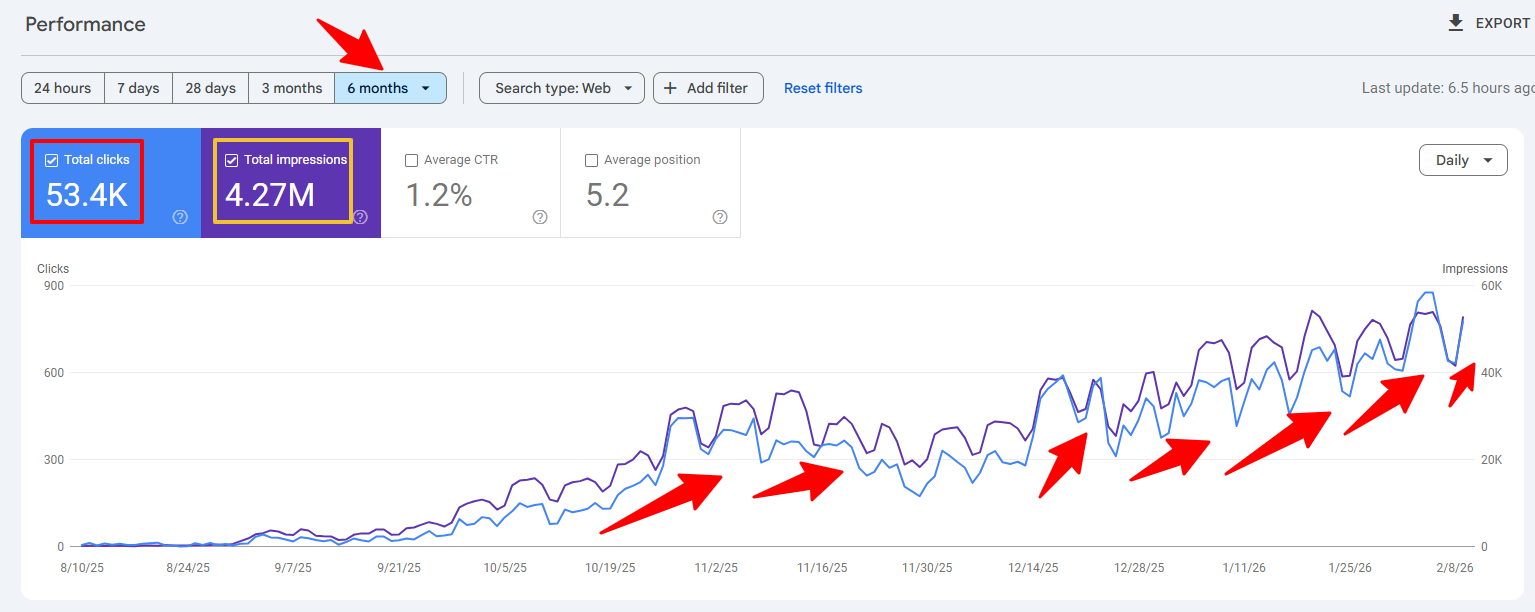
Most of this growth came from the last two months, indicating that the SEO foundation reached a tipping point where Google began rewarding the website across multiple search surfaces.
The website now earns visibility through:
-
Google Maps
-
Organic SERPs
-
Featured Snippets
-
People Also Ask
-
AI Overviews
-
Image and video results
This case study explains exactly how I did it, without revealing the client’s identity.
Why This SEO Strategy Works in 2026
Google no longer ranks websites based on keywords alone.
AI-powered search systems now evaluate:
-
Understanding
-
Consistency
-
Trust
-
Real usefulness
This strategy works because it aligns with how Google and AI systems evaluate websites in 2026.
Search engines now reward websites that demonstrate:
-
Clear explanations
-
Consistent terminology
-
Strong EEAT signals
-
Real user intent matching
-
Clean internal linking
-
Entity clarity
-
Local relevance
-
Positive user behavior
Today, rankings come from connected systems, not isolated SEO tactics.
That’s why this approach scales across:
-
Maps
-
Organic results
-
AI-generated answers
The Exact SEO Process I Used
Below is the full breakdown of the system I applied, updated with real 2026 performance data.
Step 1 — Google Business Profile Optimization for Local SEO
The first priority was fixing and strengthening the Google Business Profile.
Category Selection
I selected the most accurate primary category and added only closely related secondary categories.
This tells Google exactly what the business is, which is critical for Maps visibility.
Business Description Optimization
I rewrote the description using:
-
Clear service definitions
-
Natural language
-
Location relevance
-
User-focused explanations
No keyword stuffing.
Only entity-focused, readable content.
Booking and Contact Detection
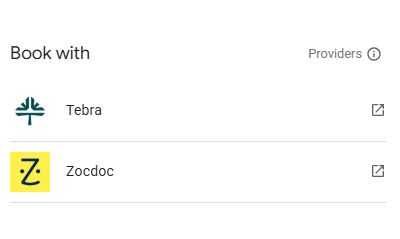
Google automatically detected booking and contact URLs from connected platforms, increasing:
-
Interaction signals
-
Conversion confidence
-
User engagement
Review Guidance Strategy
Customers were guided to naturally mention:
-
The business name
-
The service used
-
The service area
This strengthened relevance and entity association without manipulation.
Business Profile Results
-
2,306 Business Profile interactions
-
819 phone calls
-
606 direction requests
-
859 website clicks
-
22 chat interactions
These engagement signals played a major role in ranking for hundreds of local-intent keywords.
Step 2 — Local Listings and NAP Consistency
I built local citations using perfect NAP consistency:
-
Same business name
-
Same address format
-
Same phone number
This reinforced:
-
Trust
-
Location validation
-
Authority
-
Map ranking stability
For local service websites, this step is foundational and non-negotiable.
Step 3 — AI-Ready Website Structure and Content System
Next, I optimized the website so both search engines and AI systems could easily understand it.
Homepage Optimization
I rewrote the homepage to clearly explain:
-
What the business does
-
Who it serves
-
Where it operates
-
How users can take action
This clarity is essential for:
-
AI Overviews
-
Conversational search
-
Generative Engine Optimization (GEO)
Service Page Optimization
Each service page includes:
-
Simple service explanations
-
Consistent terminology
-
Local context
-
Internal links
-
Clear calls to action
This structure improves topical authority and supports scalable rankings.
Blog Expansion, Traffic Growth & the Conversion Problem
I added a blog section and published 60–70 informational posts designed to answer real user questions.
These posts targeted:
-
Informational queries
-
Problem-based searches
-
AI-generated questions
-
Long-tail keywords
📈 Result:
Organic traffic increased significantly.
⚠️ Issue:
Users were reading — but not converting.
What I Observed
-
Informational posts ranked well
-
Users consumed content
-
Service intent was missing
The Fix: Service-Focused Content Clusters (Key Turning Point)
To solve this, I shifted strategy.
What I Changed
-
Created highly relevant service pages targeting:
-
Core services
-
Local intent keywords
-
Appointment-focused searches
-
-
Built content clusters around each service page.
-
Internally link high-traffic blog posts directly to service pages using:
-
Contextual links
-
Natural anchor text
-
Clear next-step intent
-
The Result
-
Service keywords surged
-
Google Maps visibility improved
-
AI Overviews picked up service-based explanations
-
Leads increased significantly
Traffic alone doesn’t convert — service relevance does.
Step 4 — Off-Page SEO Using Brand Authority
For off-page SEO, I focused on quality over volume.
I built backlinks using:
-
Brand name anchors
-
Natural URL mentions
-
Contextual relevance
No aggressive anchor text.
No risky tactics.
This strengthened:
-
Entity trust
-
Local authority
-
Organic rankings
-
Map pack stability
Step 5 — User Behavior Optimization
Search engines pay close attention to how users interact with a website.
I improved:
-
Page speed
-
Mobile usability
-
Navigation clarity
-
CTA placement
-
Booking visibility
As a result:
-
Bounce rate dropped
-
Time on site increased
-
Conversions improved
These behavioral signals supported ranking growth across Maps, organic, and AI search.
Step 6 — Google Analytics–Tracked Lead Performance
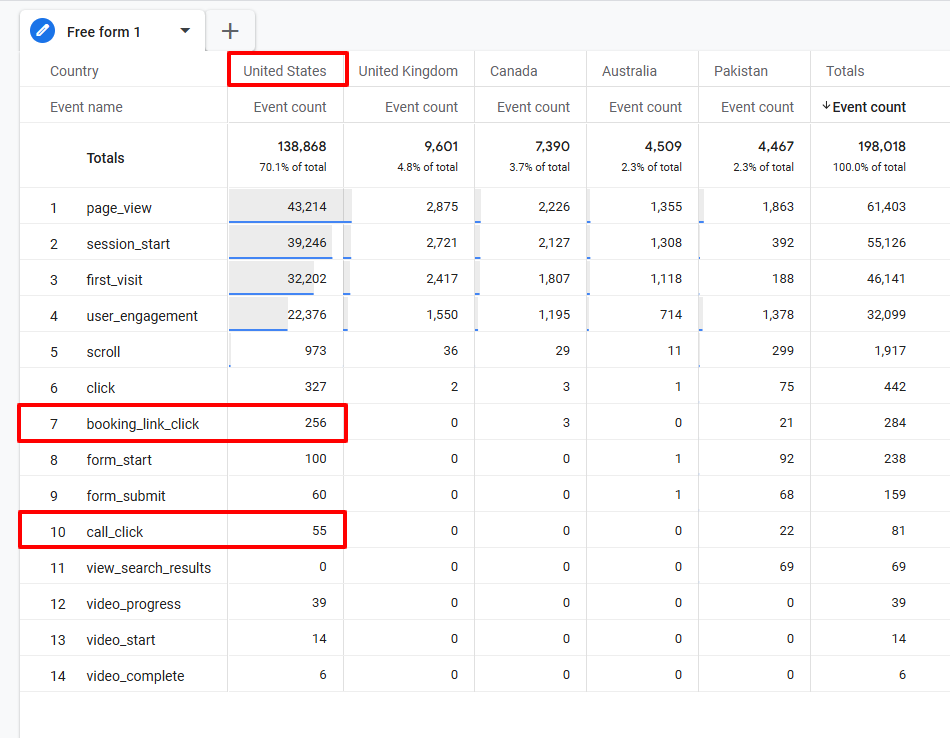
📊 Lead Data Tracked via Google Analytics & GTM
All lead data below is directly tracked using Google Analytics and Google Tag Manager over a 2-month period.
These are real user actions, not estimates.
Google Analytics Results (2 Months):
-
256 Booking Link Clicks
-
55 Call Button Clicks
-
60 Form Submissions
✅ Total: 371 direct leads from Website
These leads came from:
-
Google AI Overviews
-
Organic search results (service + informational queries)
Why This SEO Case Study Matters
This case study proves that:
-
SEO is no longer just rankings
-
AI visibility matters
-
Structure beats shortcuts
-
EEAT is essential
-
Trust compounds over time
This is not a theory.
This is execution backed by real 2026 data.
Key Lessons From This SEO Case Study
-
Clear explanations outperform keyword-heavy pages
-
Internal linking is a growth multiplier
-
Maps, organic, and AI SEO must work together
-
Brand-first backlinks are safer and stronger
-
Patience leads to exponential results
These principles apply to any local service website.
Final Thoughts: Process Beats Tricks
This SEO success didn’t come from hacks or loopholes.
It came from:
-
Structured thinking
-
User-first content
-
AI-ready explanations
-
Consistent execution
This 2026 case study is based on my real SEO experience, tracked data, and hands-on testing.
No theory — only what actually worked for ranking, AI visibility, and lead generation.

Frasat Ali is a seasoned SEO Manager with over a decade of experience helping websites improve visibility through ethical, data-backed strategies. He shares actionable SEO insights grounded in real-world success. Read More